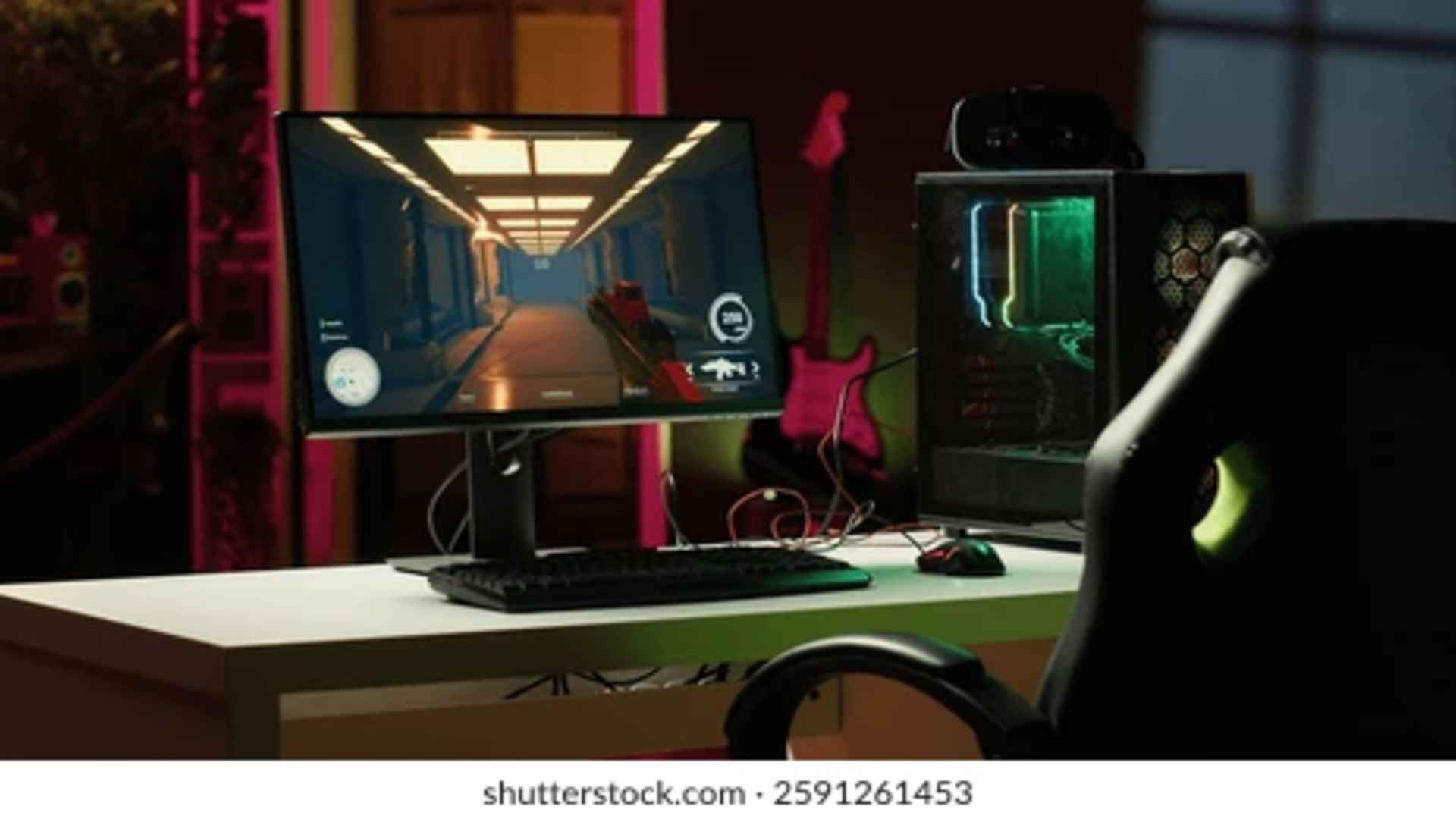
In high-stakes game modes like Knockout, victory often hinges on discipline rather than raw mechanical aggression. Because players do not respawn during a round, eliminating early mistakes becomes far more valuable than securing quick damage. Holding narrow passageways requires a strong mental focus that forces opponents into making risky moves out of sheer frustration.
Understanding the Mental Pressure of Defensive Chokepoints
When a team locks down a strategic bottleneck, they create a psychological burden for the advancing enemy. Opponents facing a guarded path frequently feel the pressure of time and spatial restriction. This anxiety often leads to hasty decisions, such as pushing into unsafe sightlines without proper support.
Maintaining control over these tight spaces demands consistent discipline from the defending team. Firing shots without purpose can reveal your position or waste vital ammunition reserves. By remaining hidden and patient, defenders retain the element of surprise while keeping the opposing team guessing.
Exploiting Impatience and Forcing Opponent Errors
Impatience is one of the most common causes of round losses in competitive elimination matches. As the round timer ticks down, attacking players often feel compelled to make aggressive plays to break the stalemate. A disciplined defense simply waits for these overextensions and punishes the overconfident pushers.
Developing this calm mindset requires a deep understanding of map dynamics and positioning. Recognizing when to hold ground rather than chasing a low-health target separates casual players from competitive experts. Learning to manage stress during tense moments allows players to execute clean eliminations without giving up spatial control.
Maintaining Team Discipline and Positional Structure
Patience must be a coordinated effort across the entire squad to prevent structural breakdowns. If one teammate breaks formation to seek an unnecessary kill, the established crossfire immediately collapses. Remaining synchronized ensures that every angle remains covered while denying the enemy any opportunity to flank.
Effective spatial awareness allows defenders to rotate smoothly if the attacking team attempts to shift lanes. Communicating enemy movements prevents panic and keeps the defensive perimeter intact. Holding key bottlenecks with steady focus ultimately dictates the pace of the match and secures reliable victories.